Most of my public work is concerned with ideas: artificial intelligence, communication, opportunity, human judgement and the choices that shape our future. Yet some of the convictions that matter most to me are expressed much more quietly. One of them is the belief that the way we treat animals says something important about the kind of people we are becoming.
Animals live alongside us without participating in the systems through which human beings claim rights, demand explanations or seek justice. They cannot write petitions, challenge our assumptions or describe their suffering in words we are obliged to hear. Their dependence on human choices therefore places a particular responsibility upon us. Power over a more vulnerable life should never become permission to be indifferent to it.
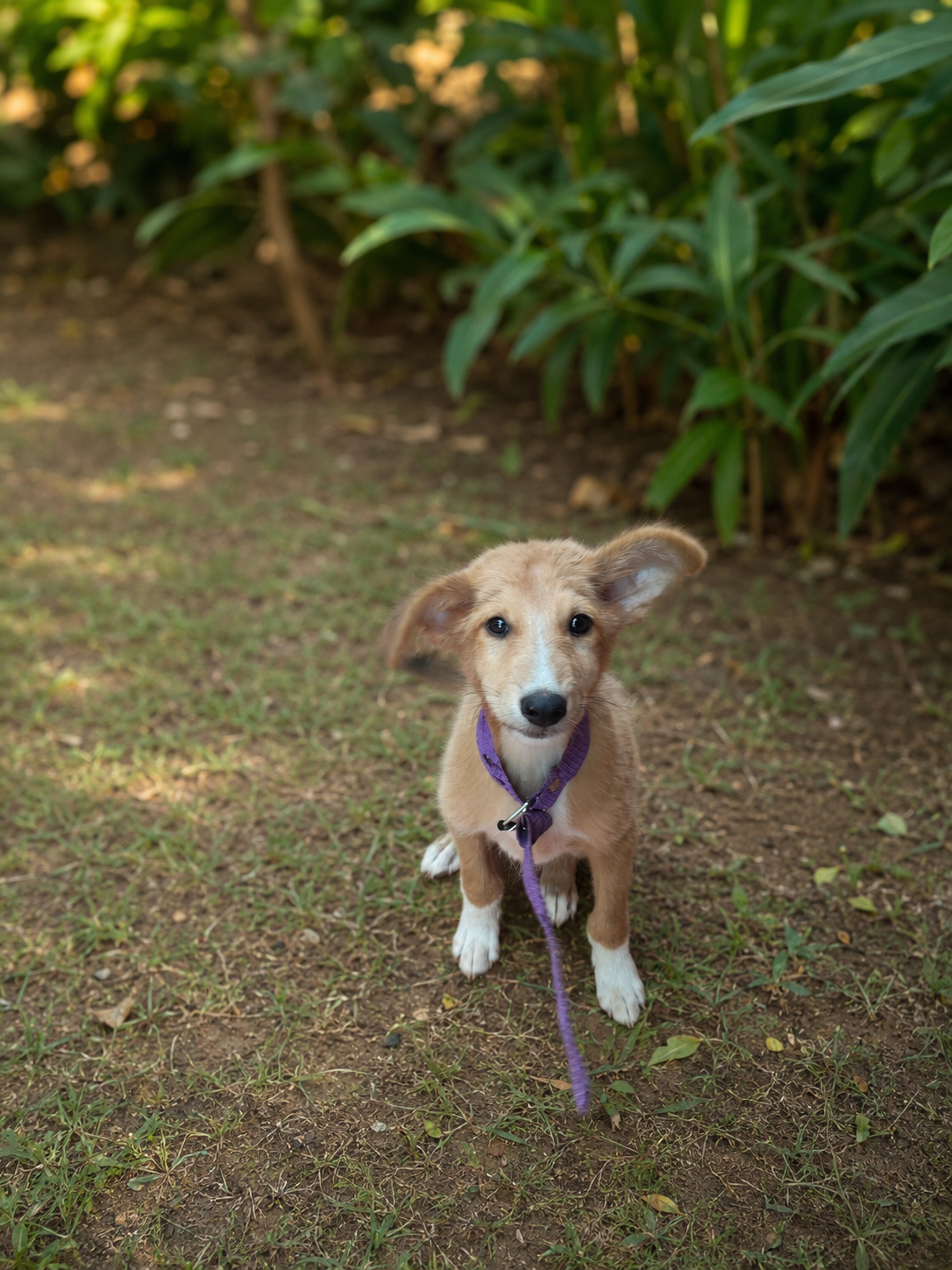
A society reveals something of its character in the way it uses power over lives that cannot hold it accountable.
Compassion
Compassion should not end with human beings.
Concern for animal welfare is sometimes treated as sentimental or secondary, especially in societies carrying urgent human needs. I do not believe compassion has to be rationed in that way. Caring about hunger, injustice and human dignity does not require us to become unmoved by cruelty towards animals. The same moral imagination that allows us to recognise another person’s vulnerability can teach us to notice suffering wherever our choices create, prolong or prevent it.
This does not demand perfection. It begins with attention: refusing casual cruelty, treating domestic animals responsibly, protecting wildlife and habitats, supporting humane practices and teaching children that kindness is not weakness. These may appear to be small acts, but character is often formed through the small permissions we either grant ourselves or refuse.
Progress
Greater power should bring deeper responsibility.
Technology continually increases what human beings are capable of doing. That makes the question of what we ought to do even more important. Progress cannot be measured only by speed, convenience or profit. It must also be measured by whether our expanding power is accompanied by deeper responsibility.
For me, care for creation belongs within the same larger conversation as my writing about artificial intelligence and human judgement. Both ask us to consider what power does to the person who possesses it. Both remind us that capability is not the same as wisdom. And both require us to decide whether the future we are building will make us merely more efficient or genuinely more humane.
What I believe
Kindness becomes visible in ordinary choices.
- 01
Animals are living creatures deserving of humane treatment, not objects whose welfare matters only when it is convenient.
- 02
Preventable cruelty should never be dismissed as entertainment, tradition or an insignificant concern.
- 03
People who keep animals have a responsibility to provide appropriate food, shelter, safety and care.
- 04
Children should be taught gentleness towards animals because ordinary acts of kindness help form a wider respect for life.
- 05
Development should take account of wildlife, habitats and the long-term health of the natural world.
A quieter part of who I am
Care begins with noticing.
This page is not a professional service or a campaign platform. It is simply a home for a personal conviction I do not want the more formal parts of my work to obscure. I believe kindness matters even when nobody rewards it, and that our treatment of vulnerable creatures is one of the places where that belief becomes visible.
I hope to use this space from time to time to share reflections on animal welfare, responsible stewardship and the small choices through which we learn to live more thoughtfully within creation rather than merely above it.
More about Adaeze